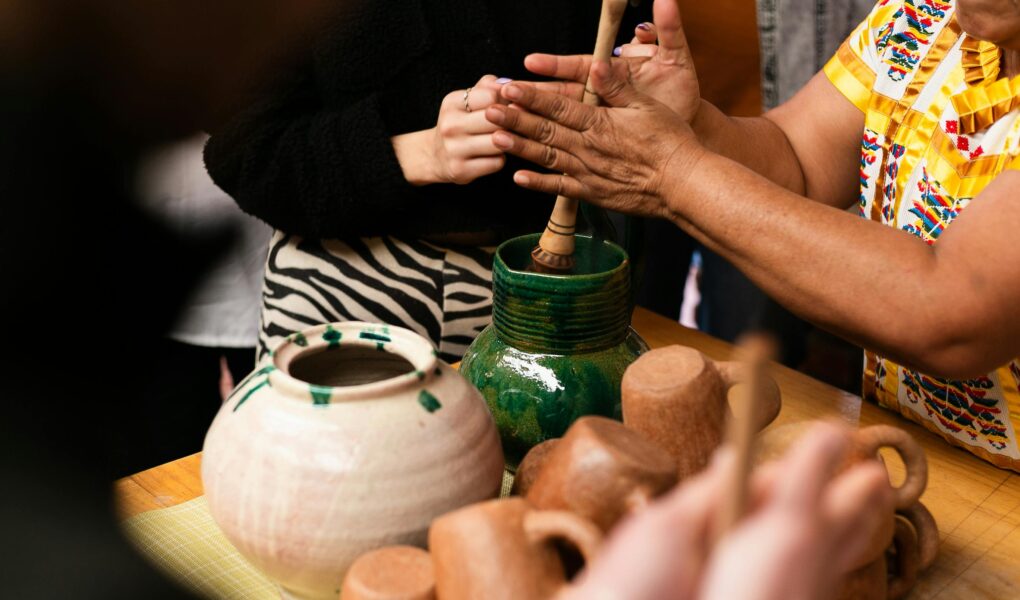
When it comes to creating handmade products, the choice of materials can make or break the final outcome. Selecting high-quality and appropriate materials not only enhances the visual appeal of your crafts but also improves their durability and overall value. Whether you’re making jewelry, home decor, or personal accessories, understanding how to choose the best materials is essential to the success of your finished pieces.
Firstly, consider the purpose of your handmade item and who your target audience is. If you are crafting items that will be handled frequently or exposed to wear and tear, you want to prioritize durability. For instance, using sturdy fabrics like canvas or leather for bags will help your product last longer and maintain its shape. On the other hand, delicate items like decorative ornaments might benefit from materials such as fine ceramics or glass, which convey elegance but require careful handling.
Next, think about aesthetics. Materials should complement your design vision and appeal to your customers’ tastes. Natural materials like wood, cotton, and wool often attract buyers seeking eco-friendly and rustic styles. Synthetic materials might be better suited for modern or vibrant designs. However, it’s crucial to balance beauty with function; a visually stunning product that easily wears out can disappoint customers and hurt your brand reputation.
Another key factor is sourcing. Reliable suppliers provide consistent quality materials, which ensures your products meet the expectations every time. Look for vendors who specialize in the type of materials you need and read reviews to gauge reliability. Additionally, consider the cost and how it affects your pricing strategy. Sometimes investing in better materials can allow you to charge more, reflecting higher quality craftsmanship.
Don’t forget about sustainability. Increasingly, consumers prefer handmade products made from environmentally friendly or recycled materials. Using eco-conscious materials not only helps the planet but can also enhance your brand’s story and attract a dedicated customer base.
Finally, experiment with combinations of materials. Mixing textures and elements can bring uniqueness and richness to your products. For example, pairing metal accents with natural wood can create a striking contrast that makes your handmade items stand out.
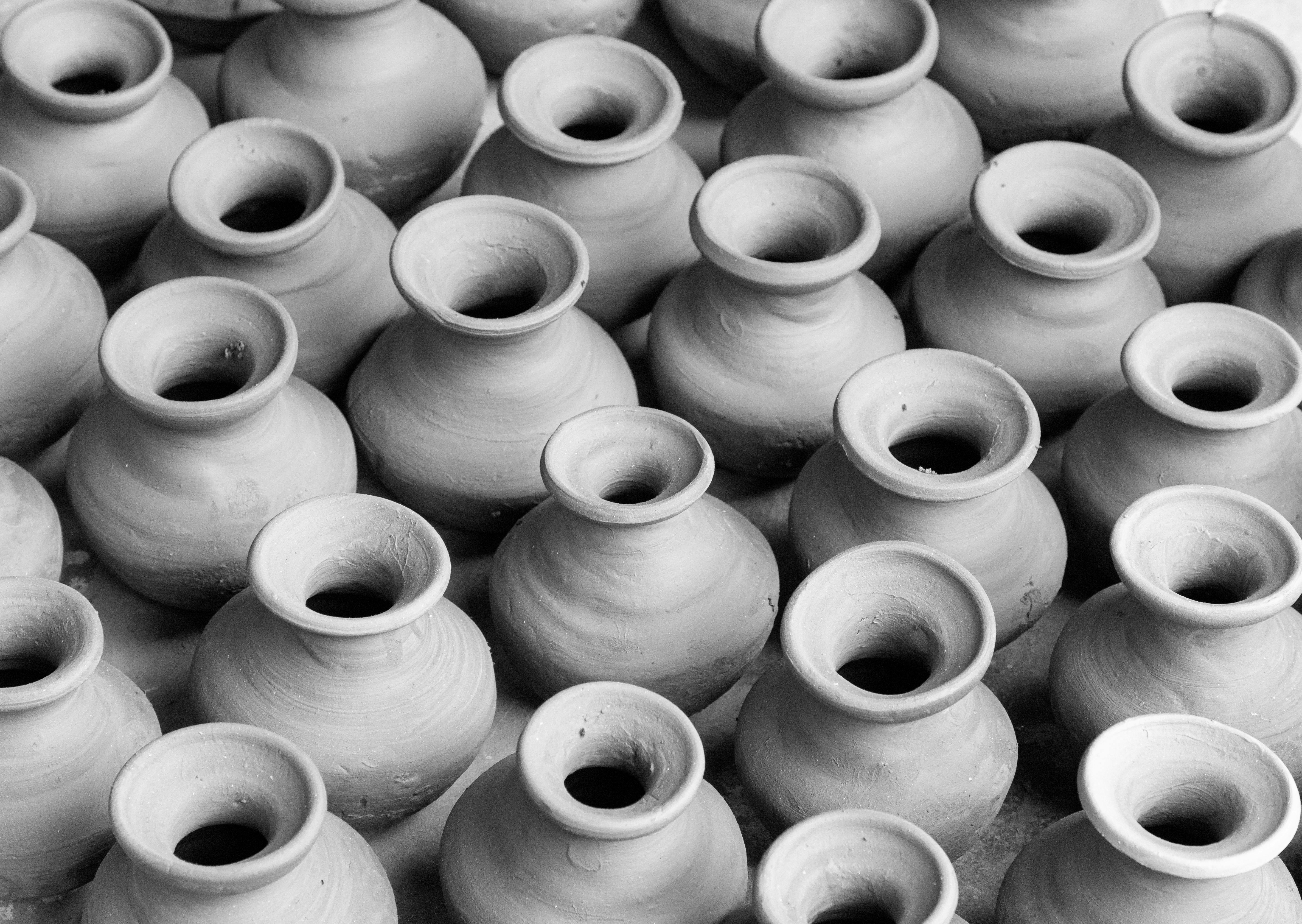
In conclusion, the best materials for your handmade products depend on a balance of durability, aesthetics, sourcing, cost, and sustainability. Taking the time to thoughtfully select your materials will elevate your craft and delight your customers, setting your handmade creations apart in a competitive market.






Great tips! I’ve found that investing in quality materials really makes a difference in customer satisfaction.
I appreciate the point about sustainability. More buyers are asking about eco-friendly materials these days.
Mixing different textures has definitely enhanced the uniqueness of my products. Thanks for the inspiration!